• What Do You Know About The Gingivectomy Procedure?

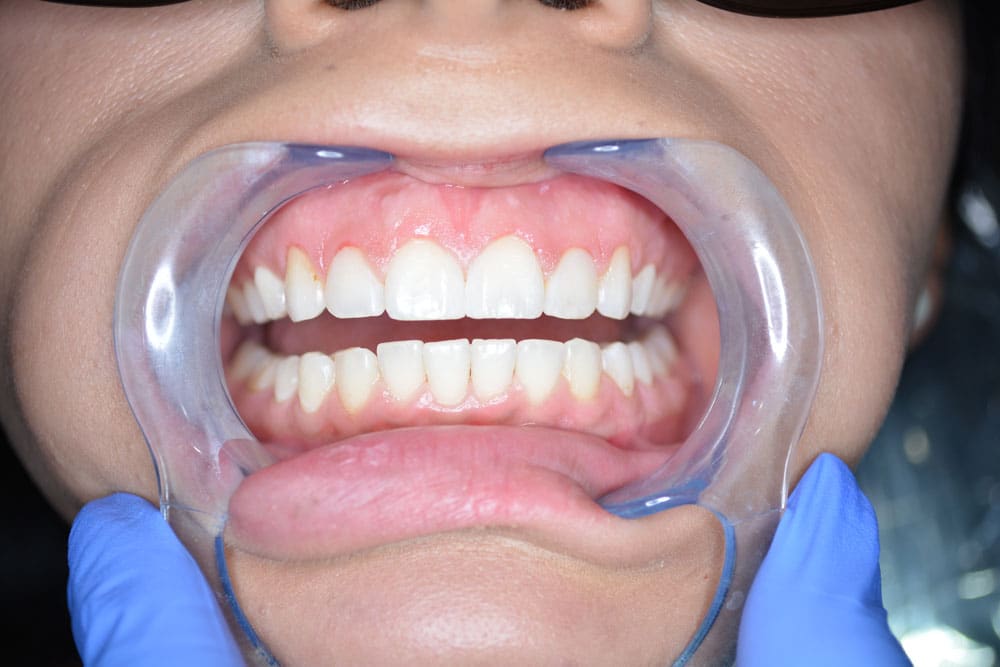
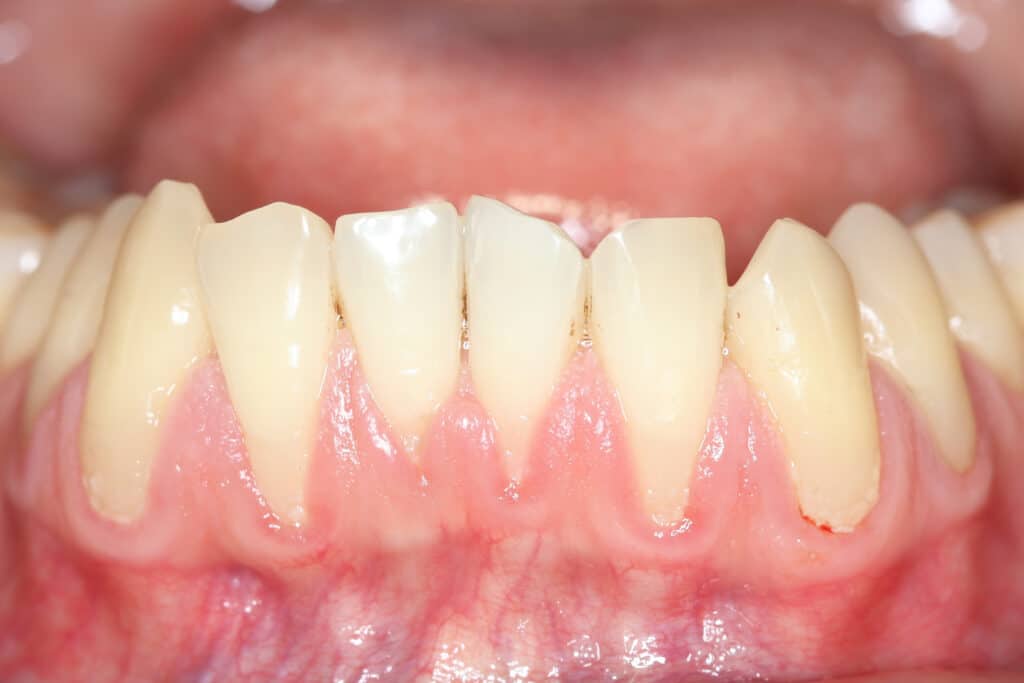
    Surgery to remove the gingiva is known as a gingivectomy. When the gums have separated from the teeth and deep pockets have formed, a gingivectomy or laser gum surgery Houston is required. Plaque and calculus are challenging to remove because of the pockets. Gum disease typically does not affect the bone supporting the teeth before a gingivectomy is performed. The gum disease treatment technique involves removing and restructuring loose, diseased gum tissue to eliminate pockets between the gums and teeth.


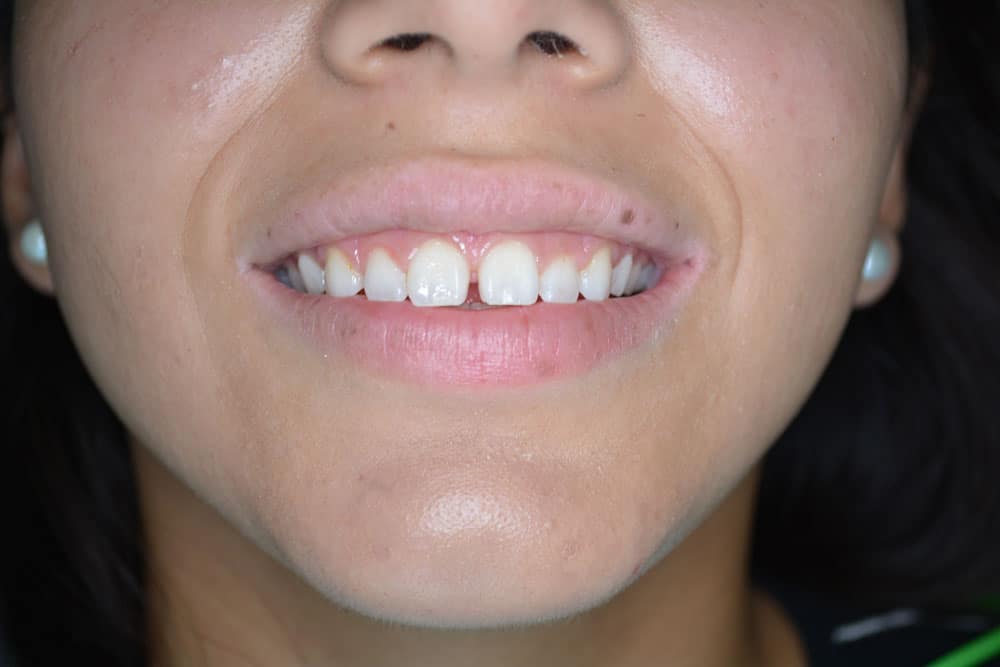
    Gingivectomy Houston creates visibility and accessibility to properly polish the tooth roots and remove calculus by eliminating the pocket walls. It fosters a favorable environment for gingival healing and gingival contour restoration. Although gingivectomy was initially created to treat periodontal disease, it is now frequently performed as cosmetic surgery. 


    How do dentists perform gingivectomy procedures?


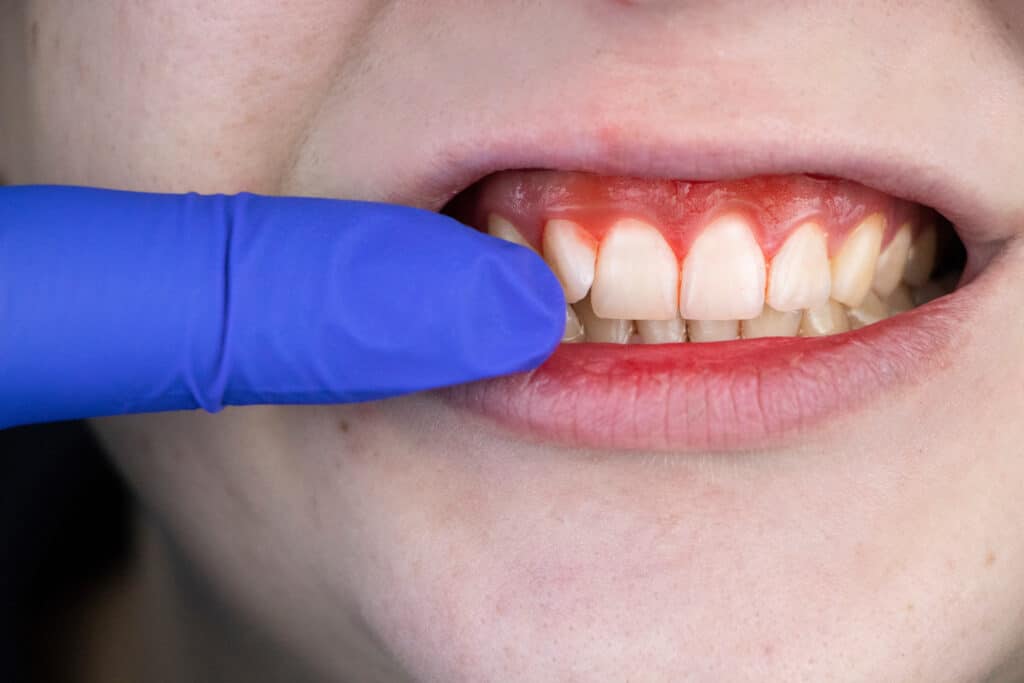
    According to a gingivectomy dentist near me, a gingivectomy is a dental procedure that surgically removes extra gum tissue with no exposed bone beneath. Following surgery, the teeth and gums are covered with a periodontal dressing to help them heal. The patient could feel pain during the surgery, but usually not afterward. In some cases, dental veneers may be applied during this process to help improve the number of visible teeth.


    The affected area is washed with saline and specific rinses before the diseased tissue is cut away and removed. The remaining gums are stitched back in and around the teeth. A local anesthetic is given to keep the patient at ease throughout the treatment. Dental Office Houston Tx applies a surgical dressing or pack to the teeth and gums. For roughly a week, this dressing remains in place. Gargling with an antimicrobial mouthwash can accelerate the healing process.


    What are the risks of gingivectomy procedures?


    The complications and risks of gingivectomy may include Minor pain and discomfort, and infection is the most significant risk. Before and after their gingivectomy, those more prone to infection might need antibiotics to stop it. Additionally, they must follow a stringent oral hygiene routine before and after the treatment.


    To avoid the accumulation of bacteria, a dentist or doctor may advise a patient to brush and floss their teeth frequently. Ask your surgeon at Houston Dental Clinic any questions concerning the operation. They will be able to describe what will occur during the gingivectomy and discuss any dangers in advance.


    How to recover from a gingivectomy procedure?


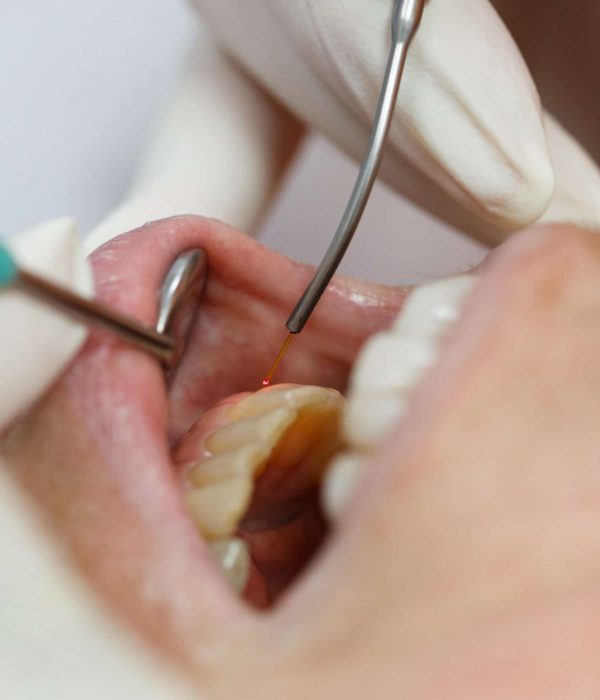
    You must be able to return home without delay. Since your dentist will likely use just local anesthetic, you can typically drive yourself home. When the numbing wears off a few hours after the treatment, you might not feel pain immediately, but it might be more intense or linger. An over-the-counter painkiller may help reduce the discomfort.


    Your gums will likely bleed for a few days as well. As soon as the bleeding stops or before your dentist suggests that your gums can once again be exposed, change any bandages or dressings. Before sending you home, your dentist or a dental assistant should instruct you on replacing any bandages or dressings.


    Conclusion


    The above article informs us about the gingivectomy procedure and how periodontists perform it. For more valuable facts and details, please visit laserdentistrynearme.com.


    Article Source : https://www.transitsblog.com/what-do-you-know-about-the-gingivectomy-procedure/

  • What Are the Frequently Asked Questions About LANAP?

    The laser-assisted new attachment procedure (LANAP) is a treatment involving laser for periodic disease. This treatment eliminates incisions and sutures from the procedure to ensure precision and efficiency. In this article, you will learn about the common question people ask.


    How does LANAP work?

    Your dentist will first remove the tartar accumulation from the surface of your teeth with an ultrasonic scaler and smaller dental tools. Afterward, Advanced Laser Dentistry will aim a small amount of laser from tiny fibers between the tooth and gums to eliminate tissues and decrease bacteria buildup. After cleaning the area, your teeth and gums will take a few times to heal.


    Who is eligible for LANAP Treatment?

    Anyone with moderate to severe gum disease cases requiring periodontic treatment can undergo LANAP treatment. This procedure is also ideal for patients who suffer from dental anxiety and fear of large instruments.


    Will I need to stop using medications for LANAP?

    Due to the unique features of laser wavelength, patients need to stop any medication they are having, including aspirin or blood thinners.


    How painful is the procedure?

    While the procedure causes minimal pain, the dentist may provide local anesthetics to ensure no pain. This will allow you to handle laser treatment accurately. Patients may experience discomfort or soreness after the treatment for a few days. The dentist will also prescribe some medication, including painkillers and antibiotics until your gums heal completely.


    What is the typical duration?

    The treatment level focuses on scaling and removing tartar and plaque accumulation under your gums. The laser part of the treatment follows immediately and takes a few minutes after the treatment.


    It also depends upon the severity of the patient’s condition; the treatment may be completed in one or multiple office appointments. Dental Clinics In Houston will review the time and discuss it with a proper plan.


    Can LANAP help to save a loose tooth?

    Dental Clinic uses LANAP to save a loose tooth that may not be in good condition. The dentist can eliminate infected gum tissues with laser therapy and encourage tissue reattachment. Saving your tooth is the top priority until all options are exhausted.


    Does the treatment cost more than regular gum surgery?

    Generally, laser treatment costs just the same as traditional surgery. Moreover, some factors can affect the cost of the treatment, such as the severity of the case and the number of impacted teeth; patients should also tell the dentist about financing options so that dentist can help them.


    Can any laser be used for LANAP?

    Only the laser meets the requirement of the LANAP. The laser treatment can use a wavelength that can differentiate between healthy and infected gum tissue.


    Conclusion

    To know more about the treatment, you should consider visiting Texas Dental Clinic for conditions like a loose tooth, implant disease, and gum disease.


    Article Source : https://www.healthymindz.com/what-are-the-frequently-asked-questions-about-lanap/


  • What Are the Benefits of Laser Gum Treatment?

    Traditionally, treatment like advanced periodontitis involves invasive dental surgery. Also, your dentist can use pocket reduction surgery, tissue grafting, and bone grafting routinely to treat severe gum disease. However, many patients find LANAP Offers minimal invasive treatment. In this article, you will learn all the benefits of LANAP treatment near me.


    Non-Invasive Procedure

    Unlike other types of dental surgery for severe, LANAP doesn't require your dentist to make incisions in your gums first. As a result, you won't need stitches or sutures following the treatment, which minimizes the risk of post-operative infection. Also, patients feel more comfortable with the non-invasive treatment procedure.  


    Reduced Healing Time

    Patients fully recover from LANAP surgery near me within 24 hours, and many find they can resume their normal activities immediately. In contrast, traditional dental surgery can have a healing period of two to four weeks. Still, patients can feel swelling, discomfort, and bleeding.


    Reduced Risk of Gum Recession

    Receding gums is one symptom of advanced gum disease; however, it can occur after dental surgery for periodontitis. LANAP also reduces the risk of gum recession and cutting your gums so the tissue doesn't shrink.


    Natural Regeneration

    Another treatment for periodontitis is using foreign bodies to stimulate the regeneration process. In contrast, laser gum treatment stimulates your body's natural healing to help generate the tissue.


    This reduces the chances of infectious disease and the possibility of dental moving or dislodging.


    When LANAP Is Recommended

    Laser gum treatment is viable for patients with moderate or severe gum disease. Suppose you are not a candidate for traditional dental surgery because of blood-thinning medications. Then your dentist will recommend a LANAP near me. Moreover, patients who are nervous about undergoing dental surgery or want to minimize their recovery time may prefer Laser treatment.


    LANAP treatment also resolves gum diseases with scaling, polishing, root planning, and subgingival cleaning when it's in the initial phase. These procedures can resolve gum disease so that you won't need LANAP.


    Post-Procedure Care

    Patients with relatively little post-procedure care after the laser treatment. Your dentist may ask you to avoid strenuous activities for a few days after the treatment. Still, most people feel comfortable having their daily routine activities.


    You don't need to floss or brush the treated areas following laser gum treatment because it can hurt you and hurt your healing process. However, your dentist may advise you to rinse the affected area with lukewarm water or antimicrobial mouthwash. Similarly, your dentist may recommend limiting food consumption or using a liquid diet for two to three days after the LANAP procedure near me.


    Sometimes, patients notice slight tenderness, swelling, or sensitivity in the affected area. This may be due to the natural regeneration of tissue and typically reduces within a short period.


    Conclusion

    If you suffer from gum disease, you should consider visiting a LANAP periodontist near me for LANAP treatment and diagnosis. Also, in this article, you have learned about the benefits of conventional treatment.


    Article Source : https://www.ihealthytips.com/what-are-the-benefits-of-laser-gum-treatment/ 


  • How is Laser Dentistry Used During a Deep Cleaning?

    Laser dentistry provides a minimally invasive solution to perform treatments like deep cleanings. Keeping the teeth plaque-free is an essential part of your healthy mouth—Tartar and plaque build-up upon your teeth, leading to issues like gum disease and tooth decay.


    Houston Dental Clinics recommends deep cleaning your teeth at least twice a year to eliminate tartar before it leads to tooth decay or any other dental issue.


    Plaque is a sticky, firm layer of bacteria coating the teeth and can be removed by brush and flossing. Tartar is a hardened plaque and can’t be removed with brushing. Moreover, traditionally a metal tool called a scaler is used to remove below the surface of your teeth. The laser provides a better alternative to using metal tools.


    Laser dentistry-powered deep cleanings

    In this article, you will learn about the benefits of laser dentistry; before diving into this, it lets us look at traditional cleaning performance.


    The conventional deep-cleaning process

    The conventional way of cleaning teeth is known as scaling and planing. The procedure involves using metal tools carefully to remove plaque and tartar from your teeth and gums. Cleaning beneath the gums is particularly important since deep cleaning is performed for diseases related to your gums.


    Moreover, gums disease is caused by plaque and tartar getting into the gums pocket, which is generated in response by the immune system. Visit your Houston Dental Clinic to know what is best for you.


    To clean beneath the gum line, Dental Office Houston Tx has to pull back your gums so that teeth roots can be cleaned properly. Then a doctor administrates local anesthetic during the treatment so the patient won’t feel any pain. They may feel pain and discomfort for the next few weeks until their gum tissues recover.


    Regular teeth cleaning is not as complex a procedure as deep cleaning since it only involves the removal of plaque and tartar from the gum.


    Deep cleaning with laser dentistry

    The treatment of deep-cleaning teeth can be performed with the help of a laser instead of tools. The laser breaks down plaque and bacteria on your teeth. The laser can generate heat that penetrates the soft and hard tissues, allowing the dentist to clean below the gum line without pulling back the gums. Laser Dental Clinic Near Me attacks the area to remove the plaque and tartar.


    Deep dental cleaning with a laser is gentler than the conventional one. It leads to less swelling, discomfort, and bleeding and less recovery. Many people can return to a regular diet after a few days of treatment. You can visit your dentist for a thorough diagnosis and treatment for deep cleaning.


    Conclusion

    You should consider visiting a dentist for thorough treatment and diagnosis if you want healthy and cleaned teeth. Also, a Dental Offices In Houston can help you avoid future problems, including gum disease.


    Article Source : https://www.gohealthtips.com/how-is-laser-dentistry-used-during-a-deep-cleaning/


  • Do Gums Grow Back After LANAP?

    You may develop gum disease if you experience problems like swollen gums, chronic bad breath, receding gums, or bleeding after brushing your teeth. If you are diagnosed with gum disease, you should consider visiting a Dentist Near Me for a thorough checkup and treatment that is good for you. Also, it would be best to maintain dental practices such as brushing and flossing your teeth at least twice daily.


    Gum recession typically happens between 2-4mm, but in the case of severe gum disease, this may go to 15mm. When you suffer from severe gum disease, you can experience discomfort with drinking water or eating, especially when the food or water is too hot or too cold. Because gum disease can't correct itself naturally, you should consider contacting a Laser Dentistry Near Me to treat the problem before it becomes hazardous. To learn more about the treatment for gum disease, please refer to the following:


    Treatment Options For Gum Disease


    The most common methods of treatment of gums disease are:


    Deep Cleaning/Scale and Root Planning.

    The most common approach to treat gum disease is a scale and root planing procedure. This procedure also involves removing plaque and tartar that may have accumulated below the gum line using manual scrapers and ultrasonic instruments.


    Once the plaque and tartar buildup is removed, the rough is smoothed out or planned to allow the gum line to help inhibit the accumulation of bacteria.


    Flap Surgery

    Patients with severe gum disease might require flap surgery, also known as osseous surgery. This treatment also corrects gums disease by making an incision to open the gums and get access, removing the bacteria that have developed, and then reshaping the bone. Once the procedure is complete, the gums are stitched back together. Because this procedure is invasive and requires more prolonged healing, you should consider visiting Laser Dentistry Houston to know what is best for you.


     LANAP

    If patients are good candidates, LANAP is a less invasive treatment that provides similar results to the previously mentioned treatment. Instead of removing the infected bacteria, LANAP corrects your diseased tissue by leaving the gummy and bone unimpacted. Once the treatment completes, the gums begin to grow back to their original position, though you may need gums to be grafted. Once the treatment completes, your Laser Dentistry Houston Tx will use ultrasonic rays to clean the tissue, and the healing process begins.


    Will LANAP Regenerate My Gums?

    One of LANAP technology's best and unique characteristics is that it performs active proteins.


    What are the Additional benefits of LANAP?

    • Less painful than other treatments for gum disease.
    • You may get less post-procedural sensitivity, bleeding, and swelling.
    • You may feel fewer contraindications.
    • Stops the further progression of the gum recessions.
    • It gives a better healing process.
    • Procedural experience is more comfortable and less painful
    • Corrects your gums very quickly

    Conclusion

    You don't get gums disease if you follow good dental practices such as brushing and flossing at least two times a day after the LANAP procedure. Therefore you should consider visiting a Laser Dentistry Energy Corridor for treatment and diagnosis.


    Article Source : https://www.worldofarticles.com/do-gums-grow-back-after-lanap/


Free Website Created & Hosted with Website.com Website Builder

Create Yours

Create Free Website Now

Stunning Website Templates. Free Domain.
website.com: Get Your .COM Domain for Just $14.77/year No Hidden Fees Register Now