• How Effective is LANAP Laser Gum Surgery?

    For patients with gum disease, you may have a lot of queries about the LANAP technology and how it differs from traditional treatments.


    How effective is it? LANAP words, abbreviated from Laser assisted new attachment procedure, also encourage the attachment of healthy gum tissue to your bone and mouth.


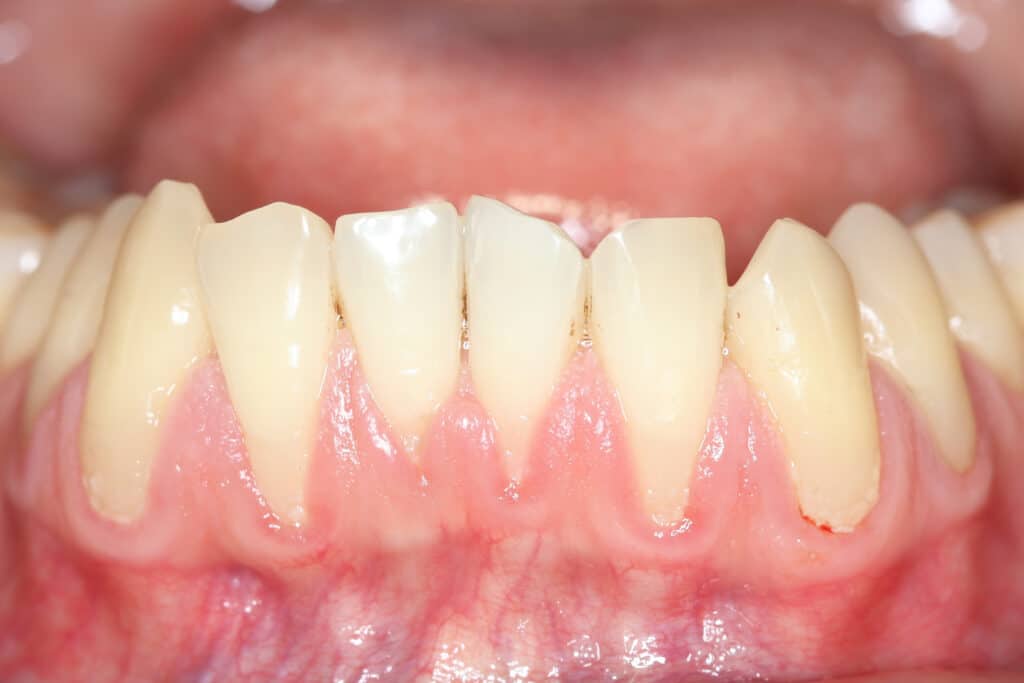
    That’s important for periodontal or gum disease because the progression of gums means infection and damage to the normal attachment and teeth. In this article, you will learn about gingivitis and gum recession treatment.


    Can LANAP reverse the periodontal problem?

    Reversing this problem during periodontal treatment is done by traditional methods or relying on natural healing in various cases.


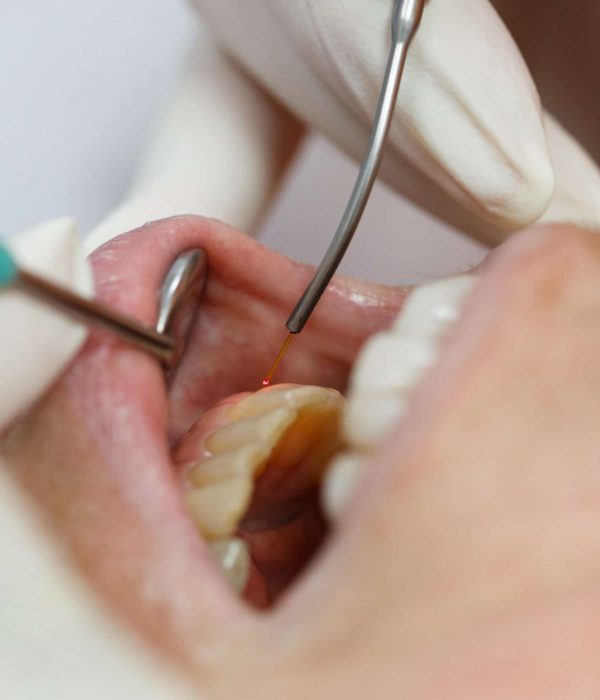
    LANAP can assist the gum treatment; the Laser stimulates the tissue to create those new attachments and improves the overall healing of your mouth faster. Consider visiting a gingivectomy dentist near me for a healthy and hygienic mouth.


    LANAP for Gum Surgery

    During osseous surgery, the conventional way of treating advanced periodontal disease, a laser dental clinic near me uses scalpels to cut the diseased tissue away and reaches any infected pocket in your gums or jaw. After the procedure, your doctor uses sutures to reshape the gums around your teeth without the bags. This is usually very effective but has a long recovery time and is much more invasive, and can expect to result in pain and discomfort during the healing process.


    What LANAP does instead is eliminated diseased gum tissue.


    With a particular light frequency. The Laser also kills bacteria in your mouth, causes speedy healing, and encourages new tissue growth. Both remove infected tissues and restore healthy tissue with less trauma to the gums for better healing.


    Effectiveness of LANAP

    Studies on the LANAP procedure show better results, saving teeth after the gum recession surgery; it also increases the new attachment of gums and bone after the treatment and aid in gum periodontal and regeneration.


    Moreover, patients with LANAP treatment show less recurrence of their periodontal disease than conventional treatment.


    There are numerous reasons, including the Laser removing the gum that causes disease, and improved tissue regrowth means the bone and root of teeth are better protected from future infections.


    Does LANAP Regrow Gum and Bone?

    There’s no cutting and sewing to recover from the tissues, and it can heal more efficiently. And then, applying a laser can sterilize the area for better healing, and the light promotes rapid tissue growth in the gums and bone treatment.


    Your dentist also offers various techniques and procedures to help bone generation for patients with periodontal disease, such as bone regeneration. The treatment option directs healing with the help of soft membranes left around the pockets.


    Conclusion

    In this article, you have learned about the effectiveness of LANAP treatment and how it works. Can you know your eligibility? It would be best if you considered visiting a dentist for gum disease treatment.


    Article Source : https://www.healthandhealthytips.com/how-effective-is-lanap-laser-gum-surgery/ 
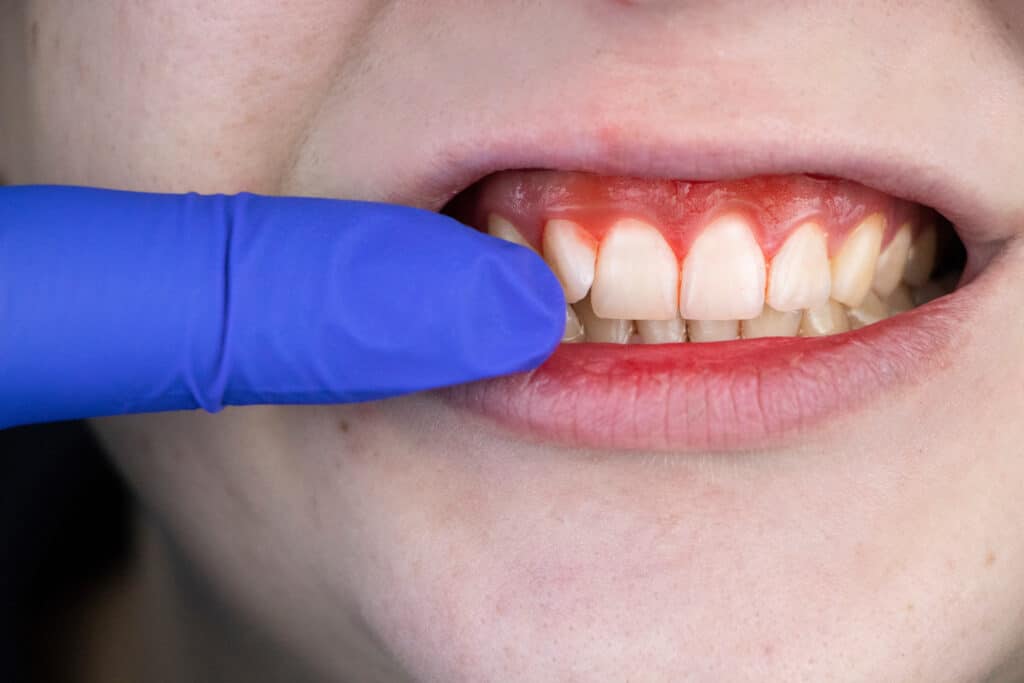

  • Why Do Dentists Perform Gum Recession Surgery?

    Gum recession surgery or gum grafting is a dental procedure that treats gum recession or thinned gums. Gum grafting provides volume to your gum line and covers exposed tooth roots, enhancing your dental health. The average time for recovery is one to two weeks, although it could take longer. Gum grafting surgery has a high success rate and can lower your chance of developing severe gum disease. Gum grafting restores the tissue that has deteriorated around your teeth, enhancing your general oral health.


    What Happens Before Gum Grafting?


    Your dentist at Houston Dental Clinic will recommend you to a periodontist for an evaluation if they believe you need gum grafting. Your periodontist will examine your gums for disease and gauge the depth of the pockets surrounding your teeth. They'll also look to see how much tooth-to-tooth recession you have. The periodontist at Dental Clinic Near Me may need to keep an eye on the recession, depending on the severity of your problem. They could advise proceeding with gum transplant surgery instead.


    Does gum grafting surgery hurt?


    You won't feel anything during your gum transplant surgery because you'll be under the effect of anesthesia. After your treatment, you'll likely have some slight tenderness. Still, your periodontist at Texas Dental Clinic will give you post-operative instructions and drugs to help you feel better faster.


    How long does gum recession surgery take?


    The number of teeth with gum recession varies. It usually takes an hour if you only require one gum graft, and it could take longer if you need many transplants in different oral regions.


    What happens during gum recession surgery?


    Gum grafting procedures and materials come in a variety. Periodontists frequently transfer tissue from the palate to the receding gum. But occasionally, they might switch to a different grafting substance that they can get from a licensed bone and tissue bank.


    In the course of a gum graft procedure, your periodontist will:


    Give you a local anesthetic.


    It numbs your teeth and gums in that region. Numerous periodontists also provide sedation dentistry treatments, like nitrous oxide, oral sedation, and IV sedation, for your comfort. During your first visit, be sure to inquire about your options.


    Prepare the site.


    Once you're at ease, your periodontist cuts your gums, forming a tiny flap. They will thoroughly clean your teeth's roots.


    Take the gum graft out.


    The surgeon then removes a small wedge of inner tissue after making another small incision on the roof of your mouth. It won't cause any harm to the outer layer. They will use Sutures or a periodontal dressing to seal the wound.


    Place the gum graft.


    They apply the gum graft by your surgeon over the exposed tooth roots (the area of recession).


    Place sutures.


    Your surgeon will then suture your gum tissue back into place after repositioning it, and your periodontist might employ self-lodging sutures. Or perhaps you'll need to have them taken out at your follow-up appointment.


    Conclusion


    We hope the above-given details will help you learn some beneficial aspects regarding gum recession surgery. For more valuable information, please visit laserdentistrynearme.com.


    Article Source : https://www.articleapprove.com/why-do-dentists-perform-gum-recession-surgery/


  • Is Laser Treatment Effective For Gum Disease?

    The Laser Dentistry For Gum Disease states that the leading causes of gum disease are untreated dental problems, long-term conditions like diabetes, genetic predispositions, and specific drugs. Patients may find it challenging to select the best gum disease treatment option due to the variety of accessible options.


    The dentist at Dental Office Houston uses a laser to access an infected area and eradicate diseased bacteria and tissue as part of a non-surgical gum disease treatment. Because there is no need for stitching or cutting during treatment, the patient has less pain than traditional gum surgery, making it a great substitute.


    How Does Laser Treatment Work In Periodontal Disease?


    The dentist at Dental Clinics Near Me will use laser technology to reach and remove the infected gum tissue from the area surrounding the root of your mouth in gum disease laser therapy, also known as gum laser therapy. The process of root scaling begins by removing the diseased tissue and making its root visible.


    It entails eliminating plaque and tartar that may have amassed below your gum line and around the tooth's root. Later, your dental expert at Memorial City Dentistry will smooth down the root to eliminate rough areas that could draw bacteria and lead to secondary infections. Later, during the healing process, the area between the root and the gum can regrow.


    Is laser gum surgery less invasive?


    The use of a laser during gum surgery is significantly less intrusive than earlier techniques. The gum tissue must be cut using surgical implements during traditional gum surgery. It produces sore lesions that need to be stitched up and allowed to heal. There is a lower chance of infection, sensitivity, and bleeding following the surgery. It is because the laser never penetrates your gum tissue.


    Why should we choose laser gum disease treatment?


    Below are some of the major reasons why many dentists at Dental Offices In Houston advise their patients to choose laser treatment (non-surgical) over traditional oral surgical treatments for treating gum disease:


    • Laser gum disease reduces gum bleeding by eliminating and destroying the germs that cause tooth infections.
    • They can tailor gum laser therapy according to the needs of individual patients. It allows your dentist complete control over the process and enables them to create a customized treatment plan for you.
    • There is no need for anesthesia because laser gum disease treatments are minimally invasive and substantially less painful for the patient.
    • Laser procedures can help you keep your teeth healthy while removing cavities.
    • Because your tooth, gums, and surrounding tissues did not expose to as much trauma as during routine surgery, laser gum sterilization therapy provides quicker healing timeframes.


    What about the recovery process of laser gum surgery?


    Weeks of recovery following traditional gum surgery include soreness, edoema, and a liquid diet. Laser gum surgery has a 24-hour recovery period, and most patients only experience minor discomfort. The laser procedure enables speedy recovery with little downtime because it doesn't require cutting or stitching. Your doctor removes less tissue by avoiding using conventional surgical tools like scalpels. It results in less discomfort, bleeding, and inflammation.


    Conclusion


    We hope the above-provided information will help you learn some beneficial and valuable aspects regarding laser treatment for gum disease. For further information, please visit laserdentistrynearme.com.


    Article Source : https://www.techsmarttips.com/is-laser-treatment-effective-for-gum-disease/


  • How Do Dentists Diagnose Gum Diseases?

    Your dentist at Dental Clinics In Houston may grade and classify your periodontitis based on the severity of the condition. The difficulty of the necessary treatments, your risk factors, and your general health.


    To assess whether you have periodontitis and how severe it is, your dental experts at Dental Office Houston Tx may:


    • Examine your medical history to find any factors, such as smoking or using medications that cause dry mouth that may be causing your symptoms.
    • Check your mouth for plaque and tartar buildup and any signs of easy bleeding.
    • By putting a dental probe beside the tooth beneath your gumline, typically at multiple locations around your mouth, you can measure the depth of the pocket that forms in the groove between your gums and teeth. The pocket depth in a healthy mouth typically ranges between one and three millimeters (mm), and greater than four mm-deep pockets might be a sign of periodontitis.


    What are the common treatment options for gum disease?


    Generally, a periodontist or dentist may perform gum disease treatment. Treatment for periodontitis aims to fully clean the pockets around teeth and shield the surrounding bone from deterioration. The highest chance for treatment success is when you establish daily oral hygiene practice, take care of any underlying medical concerns, and give up smoking.


    What are the nonsurgical treatments for gum diseases?


    Treatment for periodontitis may entail less invasive methods, such as:


    Scaling.


    During scaling, they remove tartar and bacteria from tooth surfaces and the gum line. They may use tools, a laser, or an ultrasonic device to execute it.


    Root planing.


    Root planing removes bacterial byproducts that irritate, slow healing, or cause the gums to reattach tooth surfaces while smoothing the root surfaces to prevent further tartar and bacterial buildup.


    Antibiotics.


    Dentists may give you antibiotics topically or orally to treat bacterial infections. Topical antibiotics include antibiotic mouthwashes and gels inserted into pockets or the gap between your teeth and gums following extensive cleaning.


    What surgical treatments are there for gum diseases?


    If your periodontitis advances, there are specific dental procedures such as:


    Flap surgery (pocket reduction surgery).


    To peel back a part of gum tissue and expose the roots for more efficient scaling and root planing, your dentist makes a series of tiny incisions in your gum. Gum disease frequently results in bone loss; thus, the underlying bone may require contouring before suturing the gum tissue.


    Bone grafting.


    They may perform the surgery when periodontitis destroys the bone supporting your tooth root. Periodontists may use small pieces of your bone, synthetic bone, or bone from a donation for the graft.


    Laser treatment


    In contrast to traditional therapies, laser therapy complements them rather than replacing them. According to Laser Dentistry Near Me, in periodontal laser therapy, your periodontist accesses the infected gum tissue from the area surrounding the root of your tooth and removes it using an intense laser beam. Then they clean away the buildup of tartar and plaque accumulated underneath and around your gumline.


    Conclusion


    We hope the above-provided information will help you learn some beneficial information regarding gum disease treatment or periodontitis treatment. For further important details, please visit laserdentistrynearme.com.


    Article Source : https://www.transitsblog.com/how-do-dentists-diagnose-gum-diseases/


  • What Do You Know About The Gum Recession?

    Gum disease includes gum recession as a subtype. The roots of your teeth become visible as your gum tissue begins to move away from them. There is more chance of developing cavities as an outcome. When you brush or chew, the teeth may turn more sensitive. According to the dentist at Dental Clinic near me, Gum recession can range from minor to severe and could impact one or several teeth.


    Who does gum recession affect?


    Although gum recession can affect persons of all ages, it most frequently affects those over 65. A recession is more likely to occur if you:


    • Afflicted with gum disease and had orthodontic braces or other therapy.
    • Use tobacco chewing.
    • Have your tongue or lips pierced.
    • Strenuous tooth brushing.


    How do they fix the gum recession?


    Gum recession treatment is primarily dependent on the underlying reason. Nonsurgical remedies, such as topical antibiotics, dental bonding, or orthodontics, may help with mild occurrences of gum recession. However, in most cases, gum recession surgery is required to resolve the issue entirely.


    How does gum recession surgery help?


    The most reliable and durable gum recession treatment is gum graft or laser gum surgery. Usually, periodontists perform this operation and use a gum transplant during this surgery to replace your missing gum tissue. The graft is typically taken from the roof of your mouth, while sporadically may originate from tissue from a sterile human donor.


    The surgeons at Houston Dental Offices sew the gum graft into place once it is in the ideal position. Gum grafting remedies come in various forms, and your surgeon can help you choose the best one for your situation. Gum grafting techniques today involve minimal discomfort.


    How to reduce gum sensitivity?


    Pain or sensitivity are common symptoms of gum recession. It is due to the lack of protective enamel on your tooth roots. Cementum, which is their covering, is not as robust. To lessen the discomfort caused by receding gums, your dentist may use fluoride varnish or other desensitizing chemicals. Desensitizing toothpaste is another something you may use at home. Additionally, Dentist Near Me may utilize anesthetics to make you more at ease while performing dental cleanings.


    What is the best toothpaste for receding gums?


    Desensitizing toothpaste can assist in reducing the discomfort that gum recession causes. Look for active components such as potassium nitrate, strontium chloride, stannous fluoride, and arginine. These chemicals soothe the nerves inside your teeth. It can take many weeks for desensitizing toothpaste to start functioning, and it works best when used regularly.


    How long does recovery from gum grafting surgery take?


    How many teeth need treatment, where the gum graft came from, and the sort of grafting surgery used will all affect how long it takes you to recover. People who get gum recession surgery typically feel normal again in approximately two weeks. You'll receive thorough postoperative instructions from your surgeon, and you should carefully adhere to these guidelines to ensure a comfortable, effective recovery.


    Conclusion


    We hope the above-provided information will help you learn some helpful information regarding gum recession and gum recession treatment. For further important details, please visit laserdentistrynearme.com.


    Article Source : https://www.articleaffiliate.com/what-do-you-know-about-the-gum-recession/


Free Website Created & Hosted with Website.com Website Builder

Create Yours

Create Free Website Now

Stunning Website Templates. Free Domain.
website.com: Get Your .COM Domain for Just $14.77/year No Hidden Fees Register Now