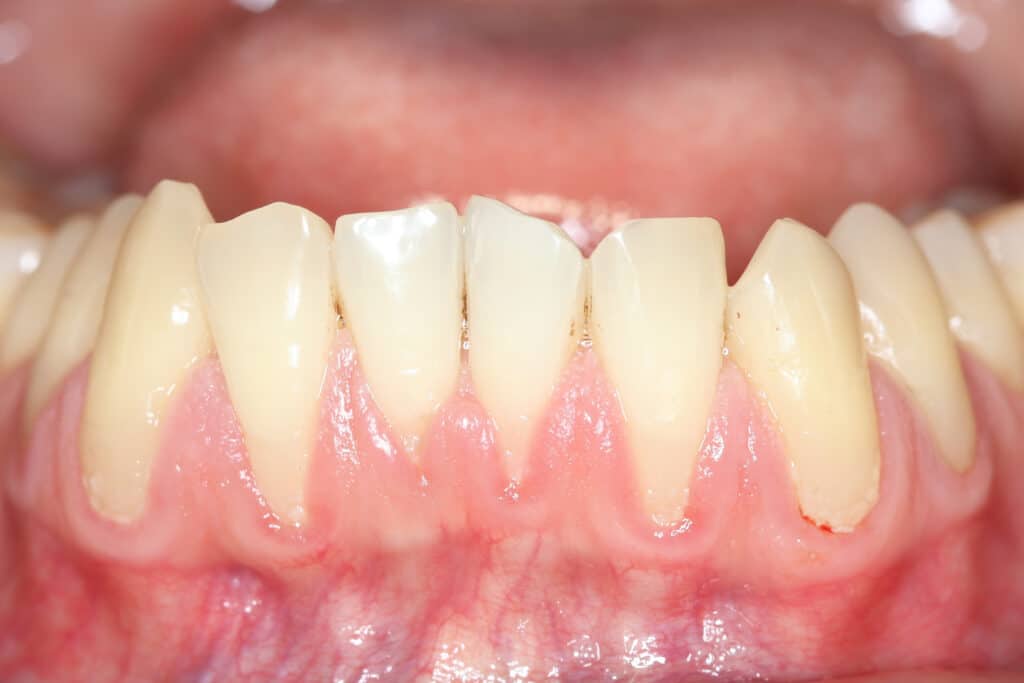
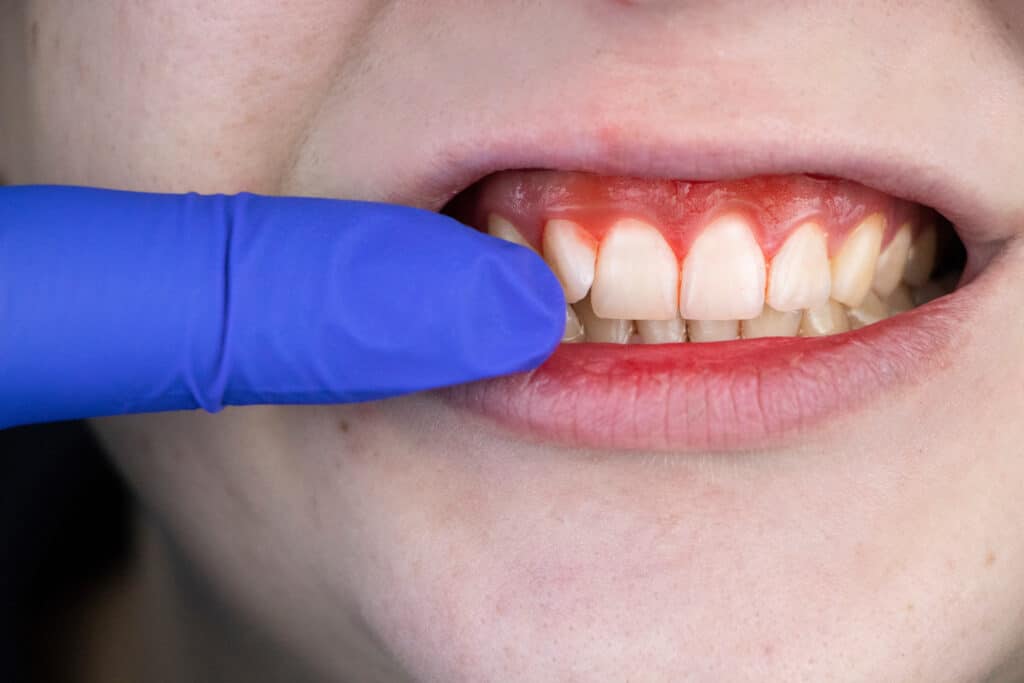
• How Does Laser Gum Surgery Works?

    According to Laser Dental Clinic Near Me, lasers are tubes that use strong, focused beams of heat energy for various activities during gum surgery. Lasers can


    • Remove and cut diseased tissue.
    • Blood vessels should coagulate to produce solid clots
    • Kills bacteria and germs
    • Sterilise the region.


    Lasers change the atomic energy, which is how they operate. Laser light moves the atoms from their present state of resting to a condition referred to as the stimulated state. The particles produce energy known as spontaneous emission as a result. The atoms release light rays known as photons as they settle back into a resting shape. This procedure supplies the energy required to perform specific tasks, such as slicing tissue without a blade.
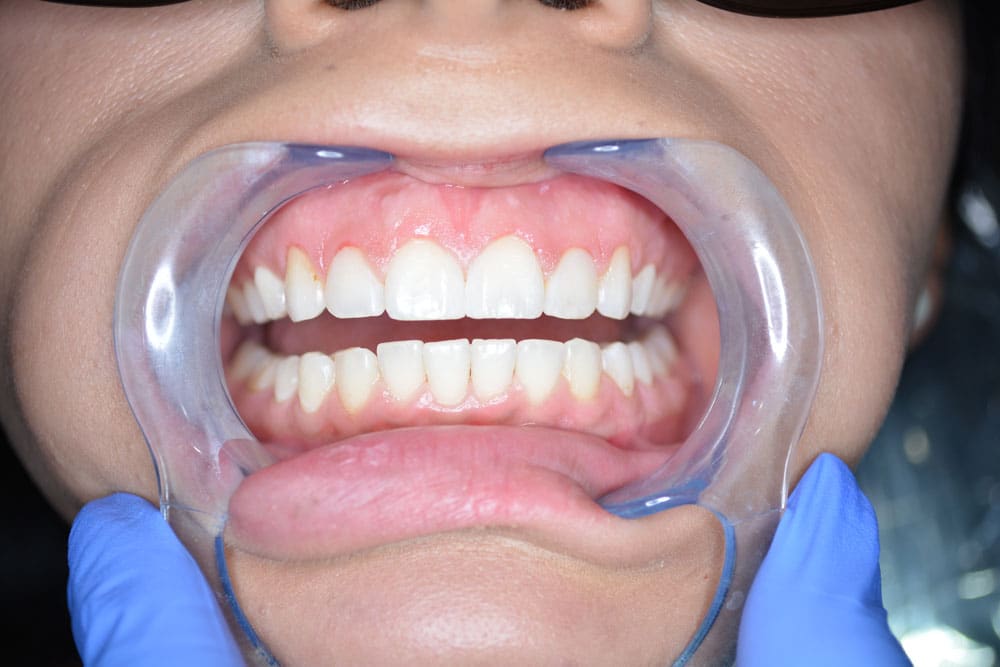


    What is the process of laser gum surgery?


    Laser Dentistry Near Me frequently treats gum disease using the LANAPTrusted Source, also known as the laser-assisted new attachment process.


    What to expect with laser gum surgery is as pursues:


    • Your dental expert will position the fiber optic laser tip at the top of the gum pocket. You can compare a laser to three human hairs in size.
    • The laser light will remove the unhealthy and inflamed gum tissue from the pocket.
    • After clearing the infected pocket of bacteria and damaged tissue, they put the laser aside.
    • After that, your periodontist will use an ultrasonic cleaning appliance to send sound waves to decay and clear tartar and calcifications.
    • They reinsert the laser light into the pocket to thoroughly clean the base and remove suspicious material.
    • The laser also creates a blood clot while fixing bone and tissue.


    What type of lasers do they use?


    Houston Dental Center experts employ hard or soft tissue lasers, depending on the procedure. Those who can use both types will do so. Hard tissue lasers can vaporize dental enamel, and water and a particular mineral in teeth combine to absorb their wavelengths.


    The most typical applications for these lasers include shaping or preparing teeth for composite bonding. It may also involve replacing damaged dental fillings and removing some tooth structures. Water and hemoglobin can absorb soft tissue lasers, and red blood cells contain a protein called hemoglobin.


    What should we expect after laser gum surgery?


    Some people return to their normal routine activities the day following the surgeries if they get early treatment after noticing gum disease symptoms. Others may require a few days to feel entirely up to speed. 


    Mild soreness can occur for a few days. Other transient negative consequences comprise:


    • A little bleeding
    • Mild gum tissue discoloration
    • edoema


    The dentist at Dental Clinic Houston Tx could include these aftercare guidelines:


    Usually, the recovery process takes a week. In that interval, your periodontist might advise you to:


    • Not using a brush or floss in the afflicted region
    • Eat a soft diet
    • Rinse your mouth softly rather than spitting out the water or mouthwash
    • Refrain from consuming nicotine-containing goods like cigarettes.


    Conclusion


    The above-given information will help you learn some essential things and factors regarding laser gum surgery. For more valuable details, please visit laserdentistrynearme.com.


    Article Source : https://www.articleslurp.com/how-does-laser-gum-surgery-works/
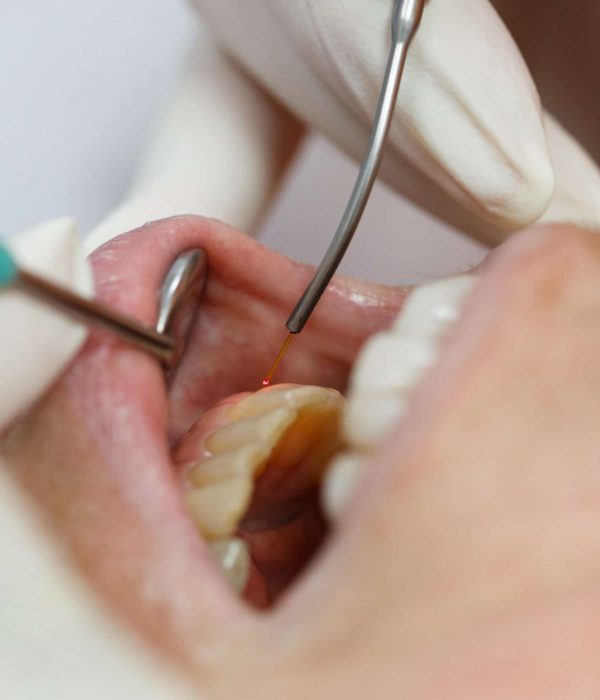

  • Is Laser Treatment Good For Teeth?

    Laser dentistry uses lasers to make dental treatment easier and less invasive. Moreover, laser dental procedures offer more comfort than traditional drills and tools.


    LASER means “Light Amplification by the Stimulated Emission of Radiation.” the instrument creates a narrow beam of light to resolve dental issues by removing or reshaping the tissue. 


    Uses of laser dentistry

    • Treatment of hypersensitivity
    • Tooth decay filling or removal
    • Treating gum disease
    • Whitening and deep cleansing of your teeth

    If you are suffering from such problems, visit your LANAP Laser Dentistry Near Me.


    How are laser treatments performed?

    There are two types of procedures that your laser dentistry includes: hard tissue, which refers to your teeth, and soft tissue, which refers to your gums. 


    Hard tissue procedures

    Cavity detection: laser can detect cavities early by scanning your tooth properly, and also, human eyes can’t detect tiny pores on your teeth


    Tooth preparations and dental fillings: you don’t need anesthesia to treat dental issues. Also, they can kill bacteria in a cavity, which can help you in the long term.


    Treating tooth sensitivity: laser can treat hot and cold sensitivity around your teeth roots. 


    soft tissue procedures

    Treating a gummy smile: Dental Clinic uses a laser to reshape gums tissue associated with gummy smiles, in which your gums cover much of your teeth.


    Crown lengthening: Laser dentistry can reshape your gums and bone tissue for a healthier tooth structure with teeth restoration.


    Treating tongue frenulum attachment: Laser dentistry can treat those suffering from a thick tight frenulum.  


    Removing soft tissue folds: Laser dentistry can remove your soft tissue from ill-fitting dentures without pain.


    Other laser procedures

    Viewing tissues: optimal coherence therapy will help Memorial City Laser Dentistry to see inside your tooth and gums easily.


    Removing benign tumors: laser can help you to remove tumors from the palate, gums, and sides of lips; also, this is a suture-free method. 


    Treating obstructive sleep apnea: Lasers can reshape your throat and relieve breathing problems such as sleep apnea caused by tissue overgrowth. You should visit your dentist for proper treatment of dental issues.


    Temporomandibular joint(TMJ) treatment: Laser dentistry can reduce pain and inflammation around your mouth and head joint.


    Nerve regeneration: Lasers allow regeneration of damaged blood vessels, tissues, and scars.


    Treating cold sores: Lasers fasten your healing process and reduce pain from cold sores.


    What types of lasers are used?

    Laser Dentistry Near Me uses hard or soft tissue laser, depending on the procedure. However, some will use both lasers if treatment allows it.


    Hard tissue lasers can cut through tooth structures. Their wavelengths are absorbed by the combination of water and specific material in your teeth. These lasers are commonly used to prepare and reshape your teeth for composite bonding or to repair dental filling that has been worn out. You should visit your dentist for a healthy and hygienic smile.


    Article Source : https://www.spiceupblogging.com/is-laser-treatment-good-for-teeth/


  • How Laser Periodontal Therapy Treats Gum Disease?

    If your dentist finds that you are suffering from periodontal diseases while routine. You will look for a dentist because no one wants to ruin their smile, but the dentist may recommend you various range of treatment options may vary from case to case or the severity. For instance, laser periodontal therapy is a less invasive option as compared to traditional surgery.


    You're probably familiar with the idea of lasers for treating dental and general diseases easily. But here are some questions that may revolve around your mind, how laser therapy works, and its benefits.


    What is Periodontal Disease?

    Periodontal is an infectious gum disease of the supporting tissues and bone that hold your teeth. It's an advanced stage of dental infection. Suppose your dentist discovers early Signs And Symptoms Of Gingivitis. In that case, they will help you to revere the process with good oral practices such as brushing and flossing your teeth at least twice a day. Also, to know Early Signs Of Gingivitis or periodontal, you should visit your dentist for a routine checkup atleast two times a year. However, periodontal diseases require more professional intervention. Here are some causes of periodontal disease:


    • Poor oral hygiene
    • Smoking
    • Chronic illnesses, such as diabetes
    • Certain medications
    • Genetic susceptibility

    Your dentist will recommend you standard treatment of periodontal diseases such as scaling and root planning. This non-surgical procedure involves removing tartar, plaque, and harmful bacteria from the tooth and below the gum line and its roots. Moreover, it also promotes the regeneration of gum tissues and bone.


    How Laser Therapy Works

    Laser therapy is not a standalone treatment but works with traditional therapies. In periodontal laser therapy, your dentist uses a laser or a narrow, highly luminous beam of light to remove the inflamed gums and tissues around your teeth roots.


    They remove the tartar and plaque build-up below and above the surface of the gumline. Next, they use a tool to smoothen any rough spots on your tooth gumline because removing them will increase the chances of future infections and attract more bacteria.


    After this laser procedure, your dentist will recommend you some time for easy healing and regeneration of tissues again. During the healing procedure, you need to make sure your gums should be infection-free and get their strength back. You should visit Advanced Laser Dentistry for proper diagnosis and treatment if you suffer from bad mouth breath or any dental condition. 


    Risks and Benefits

    Laser therapy has many benefits; your dentist uses it to clear out bacteria and diseases. Here are some of the advantages, including:


    • Recovery and healing times are shorter compared to the traditional method.
    • You won't need an anesthetic, as it is required for other forms of dental surgery.
    • Lasers therapy doesn't damage other tissue because it is precise and pinpoints.
    • There's less swelling, pain, and bleeding after the surgery compared to the traditional one.
    • laser dental surgery is a significantly less invasive procedure.

    Not all dental professionals use laser therapy to treat their patients because it requires extensive training, which ensures the proper safety and cleaning of bacteria. You can learn more about this laser therapy visit your Memorial City Dentist.


    Article Source : https://www.articleentry.com/how-laser-periodontal-therapy-treats-gum-disease/


  • What Are The Advantages Of Laser Gum Surgery?

    For many reasons why your dentist uses a laser for dental treatment, whether to prevent your gums and teeths from improving your smile, laser treatment is the best alternative for traditional and invasive surgeries. 


    LANAP Surgery Near Me is very gentle, needs no stitches, and requires minimal downtime. This makes it easy to choose laser surgery over traditional surgery. To know more about laser therapy, you should visit your dentist. 


    What is laser gum surgery?

    Laser Gum Therapy Near Me is an advanced surgery alternative where your dentist uses a beam of light to improve your dental health and smile. It’s a method used to kill bacteria and stimulate bone development around your existing teeth.


    Laser dentistry treats gums diseases, tooth decay, and hypersensitivity. It can even reshape your teeth and gum tissue to eliminate a gummy smile. The main objective of laser gum surgery is to revere the damaging effects of bacteria and help to maintain your health and hygiene. Here are some benefits of laser gums surgery:


    Less invasive

    Laser Gum Surgery is far better than traditional gum surgery because it is a less invasive method. Traditional surgery requires medical tolls that slice your gum tissue and leave painful wounds that require stitches and a long healing time. Laser surgery reduces the chances of infection, sensitivity, and bleeding after surgery. In this, the risk of complication is shallow. Because laser surgery is so gentle, patients find it more comfortable than traditional surgical treatment. 


    Treats gum disease

    If gum diseases such as gingivitis are left untreated, this can lead to tooth loss. But your dentist can prevent such advanced gum infections with the help of Dental Gum Surgery. Gum diseases leave you a deep pocket of bacteria that your routine dental cleaning can’t fix. Therefore a laser is more effective in perishing all the harmful bacteria, even if trapped in deep pockets. Consequently, you shouldn’t compromise your dental practices, such as brushing and flossing your teeth at least twice daily. Also, you should visit your dentist for a routine checkup at least twice a year.


    Improves smile

    Do your teeth feel “small,” or do you think your smile is too “gummy”? Not only can your straight and white teeth help you feel confident with a huge smile, but your gums also play an essential role in your self-esteem. Your dentist will help you to balance your teeth and gums ratio to skyrocket your confidence. In that condition, your dentist recommends laser gum surgery that reshapes your gums, trims the excess, and walks away with your beautiful smile.


    Lasers are precise

    Laser surgery is so precise that it eliminates damage to surrounding teeth and gums. Laser Dentistry near me uses more advanced techniques such as lasers to fix damaged tissue and stimulate new. These methods are pinpoint, precise, and accurate; they can distinguish healthy gum tissues and won’t affect bones and teeth.

    If you are frightened of the old traditional dental methods, you can visit Laser Dentistry For Gum Disease.


    Article Source : https://www.bloggingbeep.com/what-are-the-advantages-of-laser-gum-surgery/


  • Do Gums Grow Back After LANAP?

    Suppose you have a dental problem like swollen gums, chronic bad breath, gums recession, or gum bleeds after brushing. In that case, these signs may indicate that you have developed gum disease. In that case, you should visit Laser Dentistry Energy Corridor for diagnosis and treatment.


    Usually, gum line recession is between 2-3mm. Still, in some severe cases of gum diseases, this may widen up to 15mm. When gum recession is severe, you may start feeling discomfort and sensitivity while drinking and eating hot or cold food. Because your gums disease will not be naturally correct, you need extensive dental treatment from your periodontist. Here are some treatments that your dentist will recommend for gum disease. 


    Treatment Options For Gum Disease

    Deep Cleaning/Scale and Root Planing: Scale and root planing are among the most common treatments for gum diseases. This process involves the removal of plaque and tartar buildup that has accumulated below your gum line with the help of manual scrapers and ultrasonic instruments. Once LANAP Dentist Memorial City removes the plaque, smoothen the rough tooth area and leave your gums for healing after inhibiting the accumulation of additional bacteria.


    Flap Surgery: A dentist recommends Flap surgery to those suffering from severe gums disease; this process is also known as osseous surgery. This procedure of gums correction by making an incision in your gums and pulling them back to access and remove bacteria. After cleaning the bacteria, they will reshape your bone and gums. Once this is complete, your dentist stitches the gums back because this procedure is more invasive and requires a longer time to heal, you should avoid it if possible, or you can consult Laser Dentistry Near me to know all the pros and cons of the treatment.


    LANAP: Your doctor will tell if you are a good candidate for LANAP treatment or not. Because it provides similar results to the other methods but a far less invasive, this process involves the removal of bacteria. Still, with the help of laser correction treatment, LANAP corrects gum disease by targeting the damaged part of the tissue and leaves the healthy gums and bone unimparted. Once the process is complete, your gums grow back to their desired position through a gum grafting or pinhole surgical procedure. Once Dentistry Near Me trims diseased gums, they will use ultrasonic tools to clean your teeth and mouth so that the healing procedure may begin.


    Will LANAP Regenerate My Gums?

    One of the major characteristics of LANAP surgery is that while your dentist performs it, it simultaneously begins activating proteins. This is called the growth factor because they fasten the process and promote the regeneration of tissue and bone cells. Here are some additional benefits of LANAP treatment, such as:


    • This treatment is less painful than other dental treatments for gum disease
    • This regeneration procedure results in less post-procedural sensitivity, swelling, and bleeding
    • No harm to surrounding tissues and teeth
    • Halts the progression of gum recession
    • Faster healing process
    • Procedural experience is more comfortable as compared to traditional
    • It Corrects gum disease quickly

    If you are suffering from gum disease, you should visit your dentist to know what is best for you. You should have good dental practices such as brushing and flossing your teeth two times a day, as well as visit Dental Clinic Near Me for routine checkups at least twice a year.


    Article Source : https://www.hugotips.com/do-gums-grow-back-after-lanap/


Free Website Created & Hosted with Website.com Website Builder

Create Yours

Create Free Website Now

Stunning Website Templates. Free Domain.
website.com: Get Your .COM Domain for Just $14.77/year No Hidden Fees Register Now